Vehicle photography is one of the most influential yet under-optimised drivers of used car sales performance. In a digital-first retail environment, images determine whether a vehicle is clicked, considered, or ignored. This guide sets out clear, practical best practice for car dealers looking to improve enquiries, conversion, and stock turn through better photography.
Why vehicle photography matters more than ever
For most buyers, vehicle images are the first meaningful interaction with your stock. Before price, before specification, before finance, images shape perception and trust. Poor photography reduces click-through, damages brand credibility, and increases friction in the sales process.
For most UK buyers, the first interaction with dealer stock happens on third-party marketplaces such as Auto Trader, where image quality and consistency play a critical role in click-through and enquiry rates, as reflected in Auto Trader vehicle advert guidance.
High-quality, consistent photography does not just make cars look better. It improves lead quality, reduces time wasted on unsuitable enquiries, and supports faster buying decisions. Dealers who treat photography as a core operational discipline consistently outperform those who treat it as an afterthought.
The essential image set every used car listing needs
Consistency is more important than volume. A complete, repeatable image set allows buyers to quickly understand the vehicle and compare it with alternatives.
Exterior images
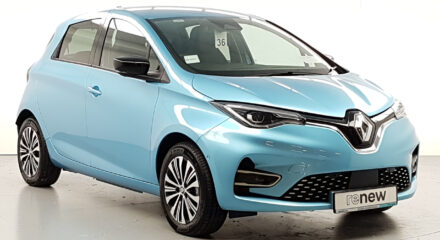
- Front three-quarter view
- Rear three-quarter view
- Direct front view
- Direct rear view
- Both side profiles
- Alloy wheels and tyres
Interior images
- Driver seat and dashboard
- Passenger side interior
- Rear seating
- Infotainment system powered on
- Instrument cluster
Detail and compliance images
- Boot space
- Engine bay where relevant
- Service history or documentation where permitted
- Any notable features or upgrades
Omitting key images creates uncertainty. Uncertainty reduces enquiries.
Lighting, location, and consistency
The best vehicle photography is predictable. Buyers should immediately recognise that images come from your dealership or group.
Lighting
Natural daylight remains the most forgiving and consistent option. Overcast conditions are ideal as they reduce harsh shadows and reflections. Avoid direct midday sun, artificial mixed lighting, and dark indoor environments unless professionally controlled.
Location
A clean, neutral background keeps attention on the vehicle. Busy forecourts, clutter, and inconsistent surroundings distract buyers and reduce perceived quality. If a controlled physical environment is not available, background standardisation becomes essential.
Consistency across stock
Every vehicle should be photographed in the same way, from the same angles, at the same height. This improves visual trust and makes your stock easier to browse. Consistency matters more to buyers than artistic variation.
Mobile photography versus professional cameras
The debate between smartphones and professional cameras is largely irrelevant. Modern mobile devices are more than capable of producing high-quality vehicle images.
What matters is process. Without guidance, even the best camera produces inconsistent results. With a clear capture workflow, mobile photography can outperform unmanaged DSLR usage.
Dealers should focus on:
- Defined capture angles
- Consistent framing
- Quality control before publishing
- Speed from capture to live listing
Clear, well-compressed images that load quickly on mobile devices align with Google image best practice guidance and improve both user experience and search visibility.
Common dealer photography mistakes
- Missing key angles or interior views
- Mixed lighting across the same vehicle
- Reflections obscuring bodywork
- Dirty vehicles or untidy interiors
- Inconsistent image order across listings
These issues are rarely intentional. They are usually the result of unclear standards and lack of process ownership.
Scaling photography across dealer groups
Multi-site dealer groups face additional complexity. Different locations, teams, and environments make consistency difficult without system support.
Successful groups standardise:
- Image requirements by vehicle type
- Capture workflows at site level
- Quality thresholds before publishing
- Brand presentation across all stock
The objective is not perfection. It is predictable, repeatable quality at scale.
Vehicle photography and conversion performance
Better images do not just increase clicks. They improve enquiry relevance and buyer confidence.
When buyers understand a vehicle visually, conversations are shorter, negotiations are clearer, and sales teams spend less time compensating for missing information. Photography becomes a revenue enabler rather than a marketing cost.
When supported by the right vehicle merchandising platforms, high-quality photography improves buyer confidence and shortens the path from enquiry to sale.
Frequently asked questions
How many photos should a used car listing have?
Typically 20 to 30 high-quality, consistent images provide sufficient coverage without overwhelming buyers. Completeness matters more than raw volume.
Do professional photos really improve sales?
Yes. Listings with clear, consistent imagery generate higher engagement and better quality enquiries.
Is indoor or outdoor photography better?
Outdoor photography in controlled daylight conditions is usually more efficient and scalable. Indoor studios require strict lighting control to deliver consistent results.
Should every vehicle be photographed the same way?
Yes. Buyers expect consistency. Variation introduces friction and reduces trust.
How quickly should photos go live?
Ideally within hours, not days. Delays reduce exposure and slow stock turn.
Final thoughts
Vehicle photography is not a creative exercise. It is a commercial discipline. Dealers who treat it with the same rigour as pricing and stock management see measurable improvements in performance.
Clear standards, consistent execution, and the right tools turn photography from a bottleneck into a competitive advantage.