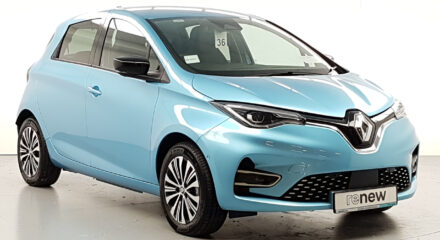
Camera positioning in automotive photography is one of the most overlooked drivers of vehicle listing performance.
In automotive retail, image quality is often discussed in terms of lighting, background, and editing. However, poor camera positioning introduces distortion, inconsistency, and ultimately reduces conversion.
Done correctly, it creates consistency, professionalism, and trust.
Why Camera Positioning Matters
Customers do not consciously analyse photography technique. They respond to it.
Well-positioned images:
- Present vehicles proportionally and accurately
- Create a consistent, premium listing experience
- Improve perceived vehicle quality
- Increase engagement and lead conversion
Poor positioning does the opposite:
- Distorts vehicle shape
- Creates inconsistent listings across stock
- Reduces trust in the dealer and the vehicle
In a digital-first buying journey, these factors directly influence enquiry rates.
The Core Principles of Effective Camera Positioning
Based on Pyxel’s in-field standards and in-app guidance, there are four non-negotiables.
1. Distance: Minimum 6 metres
Standing too close is the most common mistake. It creates:
- Wide-angle distortion
- Incorrect proportions
- Over-emphasised front or rear
Maintaining a minimum distance of 6.0 metres ensures the vehicle is captured naturally and consistently.
2. Height: Maximum 1.2 metres
Camera height directly impacts how a vehicle is perceived.
Too high:
- Flattens the vehicle
- Reduces presence
Too low:
- Over-emphasises wheels and lower body
The optimal range is no higher than 1.2 metres, delivering a balanced, realistic perspective.
3. Zoom: Forced +2.0 on Exterior Images
Zoom is not just a convenience. It is a control mechanism.
Using a forced zoom:
- Reduces lens distortion
- Creates tighter, cleaner framing
- Standardises image composition across stock
This is a key lever in achieving scalable consistency across large dealer groups.
4. Lighting: Sun Behind the Photographer
Lighting direction is critical.
Positioning the sun behind the photographer ensures:
- Even illumination across the vehicle
- Reduced glare and reflections
- Clearer body lines and paint finish
This simple adjustment materially improves image quality without additional equipment.

The Role of Technology: Removing Human Variability
Even with clear guidelines, manual execution introduces inconsistency.
This is where Pyxel’s approach is different.
Through in-app guidance, Pyxel ensures:
- Real-time visual guides for positioning
- Gyroscope alignment for level shots
- On-screen framing assistance
- Standardised capture across all users and sites
The result is not just better images. It is repeatable, scalable quality.
From Process to Performance
Camera positioning is not a “nice to have”. It is a commercial lever.
When executed consistently across a dealer network, it delivers:
- Higher listing engagement
- Improved stock presentation
- Stronger brand perception
- Increased lead generation
Most importantly, it removes one of the biggest sources of inconsistency in vehicle merchandising.
These outcomes are aligned with broader industry best practice, for example, as outlined in Autotrader.
Final Thought
Dealers often invest heavily in platforms, pricing, and stock sourcing. Yet the first interaction a customer has is visual.
If the image is wrong, everything else is working harder than it needs to.
Camera positioning is simple to fix.
The impact is not.